
Plasnomic Launches Pilot Program for Textured Plastic Parts Repair
July 2, 2026 — Plasnomic and a group of industry partners have launched what the organization says is the collision repair industry’s first pilot program focused on repairing textured plastic parts rather than replacing them.
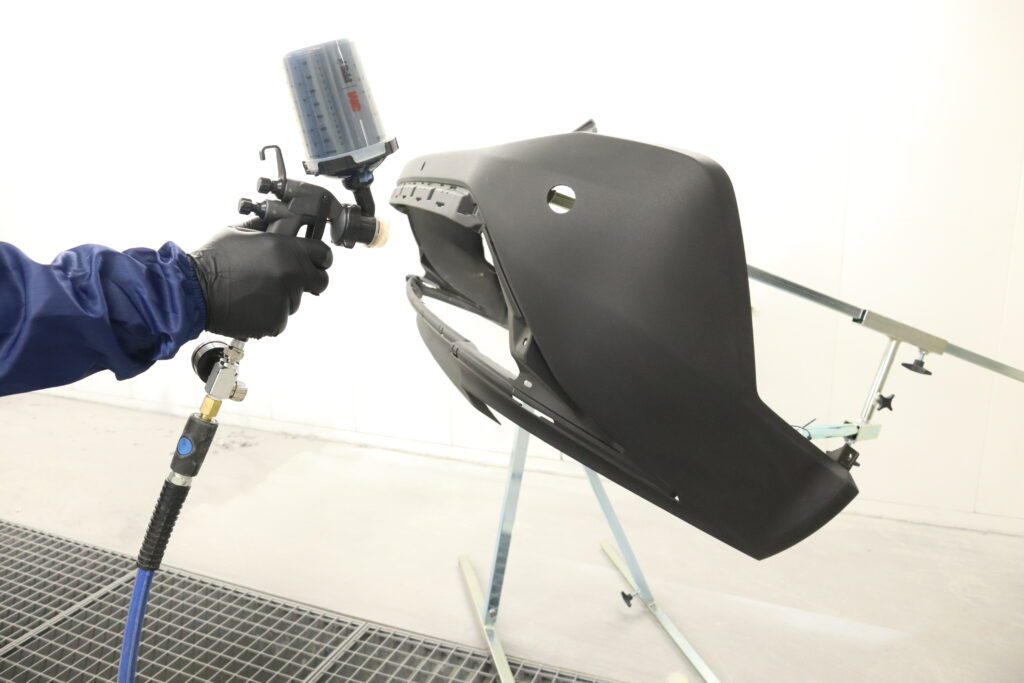
The Textured Parts Repair Pilot brings together Plasnomic with 3M, 4Plastic, Mirka, PPG, Polyvance, and SEM to evaluate repair methods for textured plastic components, which are often replaced despite having minor, repairable damage.
“This pilot represents a major step forward for the collision repair industry,” said Mario Dimovski, president of Plasnomic and head of the Plasnomic Global Council. “Textured parts are being replaced every day when many could potentially be repaired. By bringing the industry together and technically validating products and processes, we can create a trusted framework that supports repair-first decisions, profitability, and sustainability.”
According to Plasnomic, industry research shows that more than 95 per cent of textured plastic parts are replaced, even though many have only minor scratches or other repairable damage. The organization also noted that textured plastic components have become increasingly expensive, with some wheel-arch mouldings selling for more than $300 and some lower bumper covers costing more than the primary bumper cover. The trend is contributing to rising repair costs at a time when average claim values continue to increase because of advanced driver assistance systems, parts inflation, and skilled labour shortages.
The pilot program will bring together collision repair businesses, insurers, suppliers, and other industry partners to validate repair methods, evaluate repair-versus-replace opportunities, and measure both financial and environmental outcomes.
As part of the program, Plasnomic will evaluate repair products currently available on the market. Products will undergo practical repair testing and laboratory assessment to measure adhesion, durability, weathering, finish quality, texture appearance, repair consistency, and overall performance.
Plasnomic said the initiative is intended to help repair facilities increase labour opportunities by repairing textured plastic components instead of replacing them. The organization said the approach could improve gross profit, reduce parts costs, and support repair-first practices.
Plasnomic also said increasing the number of repairable textured plastic parts could reduce waste by keeping more components out of landfills.
The organization is inviting members of the Plasnomic Global Council and other industry stakeholders to participate in the pilot program and provide feedback on the development of textured plastic repair processes.
For information about Plasnomic, visit https://plasnomic.com/